
For automotive OEMs, delivering a finished vehicle to a dealership is the final and most visible step of the manufacturing journey. By the time a vehicle leaves the plant yard, it has already passed through highly controlled production and quality inspection processes. However, once it enters the logistics network, the level of operational control often decreases.
Finished vehicles travel long distances through car carriers, highways, and multi-stop routes, where delays and transit damage can occur. Even minor incidents during transport can lead to repair costs, delivery delays, and customer dissatisfaction.
Reducing such risks requires more than basic tracking. Automotive logistics increasingly depends on real-time visibility, connected operations, and data-driven logistics tools that allow teams to detect problems before they escalate.
Why Transit Damage Still Happens
Despite improvements in vehicle handling and transporter design, transit-related damage continues to challenge finished vehicle logistics. The reasons are often operational rather than mechanical.

Improper handling during multi-stop deliveries
In many cases, the problem is not the incident itself but the lack of visibility into driving conditions and vehicle movement.
Without a vehicle telematics software or video telematics solution, operations teams typically learn about incidents only after vehicles reach the destination.
By then, determining the cause becomes difficult.
The Hidden Cost of Logistics Delays
Transit delays can be just as disruptive as damage. Automotive supply chains operate on tight delivery commitments, where dealerships expect vehicles to arrive according to scheduled dispatch plans.
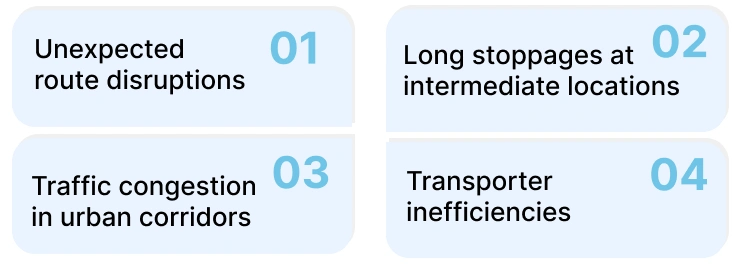
Traffic congestion in urban corridors
Without real time vehicle tracking, these delays remain invisible until delivery deadlines are missed.
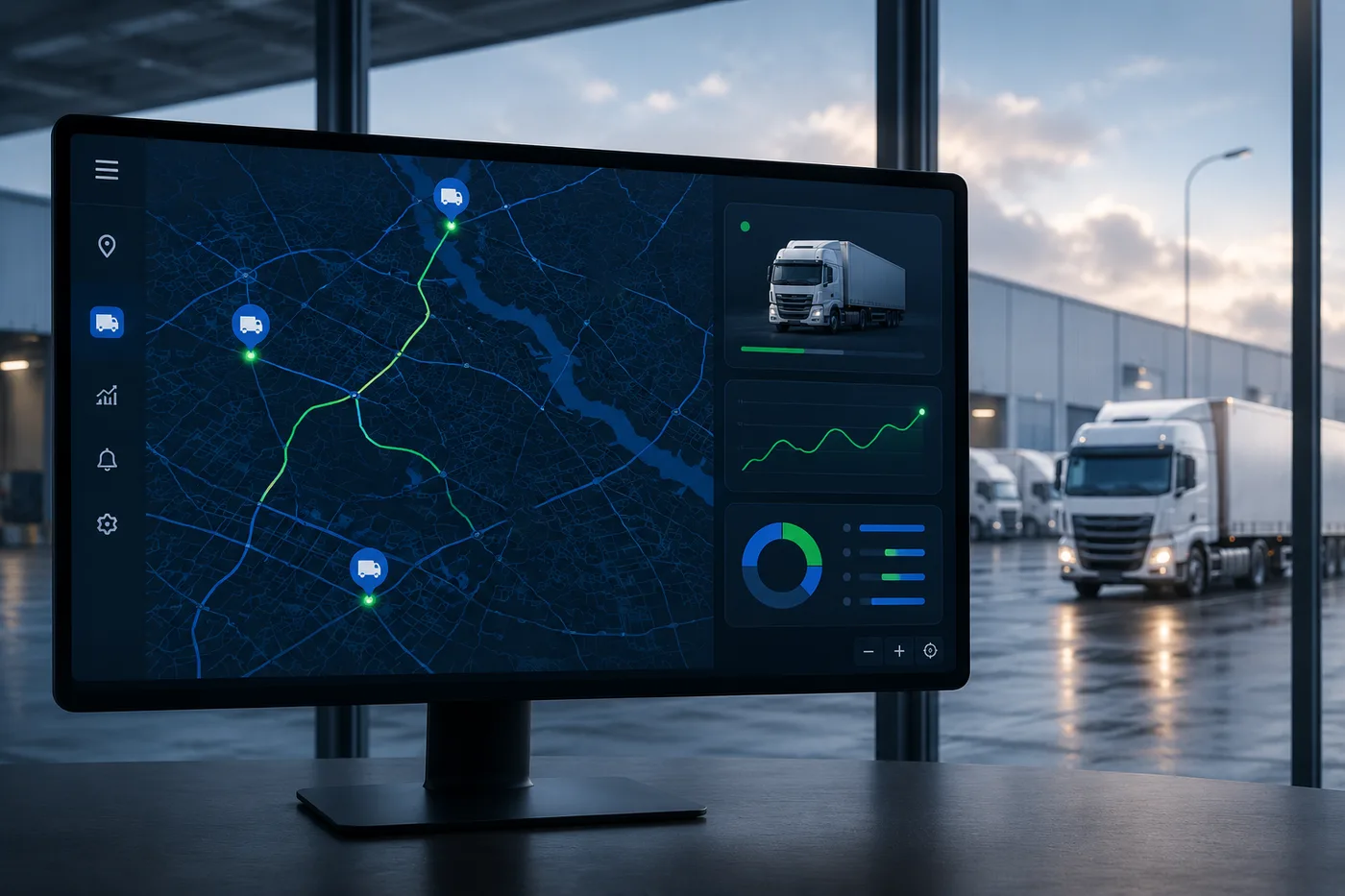
A fleet tracking system combined with a gps telematics platform allows operations teams to monitor transporter movement continuously. When unexpected stoppages or route deviations occur, alerts from geofencing tracking software help identify the issue early.
This visibility helps teams respond quickly rather than reacting after delivery commitments are impacted.
Driver Behavior and Safety in Vehicle Transport
Transporting finished vehicles requires a high level of driving discipline. Car carriers are heavy, often fully loaded, and require careful maneuvering on highways and city roads.
Small driving errors such as sudden braking, aggressive acceleration, or sharp turns can affect vehicle stability on the carrier.
This is where driver behavior monitoring systems and driver safety monitoring software play an important role.
With the help of video telematics software and fleet dashcam software, operations teams gain insights into on-road driving behavior.

Driver distraction or fatigue
Over time, these insights help fleets improve driving practices and reduce the risk of incidents during transit.
Improving Logistics Visibility with Connected Systems
Automotive logistics involves coordination between plant teams, transporter operators, and dealership networks. When information flows slowly between these stakeholders, operational problems take longer to resolve.
A connected logistics platform helps unify multiple operational systems into a single visibility layer.

real time fleet tracking platforms
With these tools in place, logistics teams can monitor vehicle movement, transporter status, and delivery progress from a centralized dashboard.
This integrated approach reduces information gaps and ensures that delays or risks are identified early.
Using Data to Prevent Future Incidents
Modern automotive logistics is increasingly influenced by data driven logistics software and ai fleet analytics. Instead of relying only on manual investigation after incidents, fleets can analyze operational patterns across thousands of trips.
Regions where delivery delays are more common
With the support of ai based logistics software, these patterns can be used to improve route planning, driver training, and transporter performance monitoring.
Over time, such data-driven insights help OEMs reduce both transit damage and delivery delays.
Building Stronger Finished Vehicle Logistics Networks
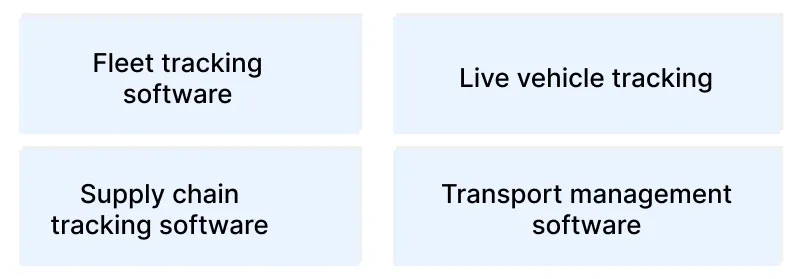
Automotive manufacturers are increasingly investing in systems that combine enterprise fleet tracking, route optimization software, and logistics control towers.
A transportation control tower provides centralized visibility into fleet operations, allowing teams to monitor transporter movements across multiple regions simultaneously.
transport management software
With this level of operational visibility, automotive companies can maintain tighter control over finished vehicle distribution while improving coordination with transporter partners.
Conclusion
Finished vehicle logistics represents the final step in delivering value to customers. When transit damage or delays occur, the impact extends beyond operational costs to brand perception and dealer confidence.
Improving visibility through fleet telematics solutions, real time vehicle tracking, and connected logistics platforms allows automotive OEMs to monitor vehicle movement more closely and respond to risks faster.
As automotive supply chains continue to scale, the ability to combine video telematics, fleet tracking systems, and data driven logistics tools will play an increasingly important role in ensuring that vehicles move safely and efficiently from plant to dealership.